
"Ethiopian highlands"
900 article(s) found

Introduction to Ethiopian Sidamo Coffee with very diverse flavors
The coffee in Sidamo has a variety of flavors. Different soil types, microclimates and countless native coffee species, towering mountains, highlands, plateaus, valleys and plains, diverse topography, and the geology of the area belongs to nutrient-rich, well-drained volcanic soil. the depth of the soil is nearly two meters, and the surface soil is dark brown or brown. The biggest advantage of the place is

World boutique coffee farm beans; Harald mocha (part 1) in Ethiopia has a delicate and rich taste
[product name]: Ethiopia Harald Mocha (Ethiopia Harar Mokha) [quality rating]: DP Grade 4 [baking]: recommended moderate baking (Medium Roast or City Roast) [grade]: excellent [granule]: ★ full [acidity]: ★★★★ slightly sour, dark chocolate aftertaste [balance]: ★★★★ is very stable

Ethiopian coffee
Ethiopia's Yirgacheffe coffee is petite, but gentle and sweet. As the home of coffee, Ethiopia's millennia of growing and processing traditions have resulted in high-quality washed Arabica beans. Light baked with unique lemon, floral and honey sweet aromas, soft fruit acids and citrus notes, fresh and bright taste. not

Flavor and taste characteristics of Ethiopian Sidamo coffee with exquisite floral smell
Sidamo Coffee beans are grayish, thick in some places and small in others, with soft and strong acidity, mellow and sweet and spicy. It is one of the courtyard coffees in the highlands of southern Ethiopia. Unlike ordinary African coffee, Sidamo has clear acidity, smooth taste and delicate floral smell. The taste of Sidama in the sun is close to the smell of flowers, but slightly.

Ethiopian coffee bean flavor taste the manor area introduces fine coffee beans Ethiopian coffee
Sustainable coffee culture Ethiopian coffee beans grow in close to the natural environment, after years of planting under the same growth conditions, Ethiopian coffee beans have gradually adapted to the environment here. More than 60% of coffee beans are grown in forests or semi-forests. The villages that grow coffee in large areas account for about the total amount of coffee produced in the country.

"acidity", "quality" and "flavor" of Ethiopia's Bancimagi Coffee Manor
Ethiopia is the birthplace of the famous Arabica coffee beans, and people have always maintained the tradition of harvesting wild coffee beans. The coffee garden at an altitude of more than 1500 meters has formed a unique coffee style after thousands of years of evolution and adaptation. Ethiopian coffee grown in the natural wild environment is called wilderness coffee, which retains the most primitive and natural taste of coffee beans.

Introduction to Ethiopian Sidamo Coffee with moderate mellow and sweet spice
The coffee in Sidamo has a variety of flavors. Different soil types, microclimates and countless native coffee species, towering mountains, highlands, plateaus, valleys and plains, diverse topography, and the geology of the area belongs to nutrient-rich, well-drained volcanic soil. the depth of the soil is nearly two meters, and the surface soil is dark brown or brown. The biggest advantage of the place is

Sweet and spicy Ethiopian sidamo coffee flavor taste estate production area Xiachisuo production area introduction
Sitama coffee beans are slightly gray, some places are coarse and some places are fine, the acidity is soft and strong, the alcohol is appropriate, and the sweet and spicy aroma is one of the courtyard coffees in the southern highlands of Ethiopia. It differs from African coffee in that Sidamo has a clear acidity, a smooth taste and a delicate floral aroma. Sidamo is Ethiopia's famous boutique coffee
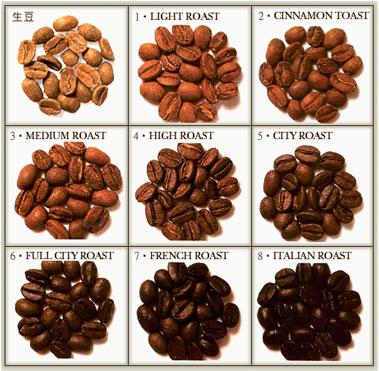
Natural fermented Ethiopian coffee flavor, characteristics, taste and estate
Ethiopia is blessed with natural conditions for growing all conceivable varieties of coffee. Ethiopia's coffee beans are mainly grown as highland crops in areas with altitudes of 1100-2300 meters above sea level, roughly distributed in southern Ethiopia. Deep soil, well-drained soil, weakly acidic soil, laterite and soft soil containing

Introduction to the Ethiopian Dharma Coffee Ted Manor with exquisite floral scent
The coffee in Sidamo has a variety of flavors. Different soil types, microclimates and countless native coffee species, towering mountains, highlands, plateaus, valleys and plains, diverse topography, and the geology of the area belongs to nutrient-rich, well-drained volcanic soil. the depth of the soil is nearly two meters, and the surface soil is dark brown or brown. The biggest advantage of the place is

Characteristics of Ethiopian coffee, origin of Ethiopian coffee
Pay close attention to coffee comment (Weixin Official Accounts vdailycom ) and find that the geographical environment of Ethiopia is very suitable for coffee growth. Coffee is mainly grown in the southern highlands between 1100 and 2300 meters above sea level. The main coffee producing areas are Harar, Limu, Djimma, Sidamo and Ka.

Introduction to the varieties of Ethiopian Coffee beans produced by Grinding scale treatment
Ethiopia grows coffee in different climatic zones, so it has more than 140 farm varieties, and fresh coffee is produced all the year round. The quality of Ethiopian coffee varies according to different elevations and regional ecological environment. The Harar coffee in the southeast highland is a typical Muha coffee with a strong flavor; the coffee produced in the southwest Wollega has a rich fruity flavor; Limu coffee

Ethiopia Coffee Bean Flavor Manor introduces Ethiopian boutique coffee beans
Ethiopian coffee beans grow in close to the natural environment, after years of planting under the same growth conditions, Ethiopian coffee beans have gradually adapted to the environment here. More than 60% of coffee beans are grown in forests or semi-forests. Large-scale coffee-growing villages account for about 35% of the country's total coffee production. Many of these are used.

Ethiopian guji Gucci Coffee Flavor description treatment quality characteristics of taste grinding scale introduction
Ethiopian coffee beans say wolves migrated to what is now the mountains of North Africa during the last glacier about 100,000 years ago. As the glaciers retreated, they left the highland islands, the area above the tree line, where the wolves once outlined their ecological habitat. Today, Ethiopian wolf Canis simensis is only found in countries of the same name, and

Brief introduction of main producing areas of Ethiopian Coffee
Hara (Harar) / Solar or dried (Sundried/Dry-Processed) Hara is located in the Eastern Highlands of Ethiopia (Harerge Province) and grows between 5000 and 7000 feet above sea level. It was still wild on slopes a century ago. Most of the raw beans are medium size and have long tips at both ends, with a yellowish or golden green color and strong chocolate when baking.

Taste characteristics of fermented natural sun-cured Ethiopian coffee varieties introduction to the flavor of fine coffee beans in the manor
Ethiopia has unique natural conditions suitable for growing all imaginable varieties of coffee. As a upland crop, Ethiopian coffee beans are mainly grown in areas between 1100 and 2300 meters above sea level, roughly distributed in southern Ethiopia. Deep soil, well drained soil, weakly acidic soil, laterite and soil are soft and contain

Ethiopian Coffee Bean Yega Sheffield Manor
Ethiopians mostly pick the beans by hand. after they are picked, they are exposed to the sun, slightly fermented, and crushed by hand when the fruit dries and hardens, so that the beans are separated from the pericarp. These coffee beans can be stored for a considerable period of time at the right temperature and humidity. After washing the coffee beans, put them into a flat bottom.

A brief introduction to the main producing areas of delicious Ethiopian coffee
Hara (Harar) / Solar or dried (Sundried/Dry-Processed) Hara is located in the Eastern Highlands of Ethiopia (Harerge Province) and grows between 5000 and 7000 feet above sea level. It was still wild on slopes a century ago. Most of the raw beans are medium size and have long tips at both ends, with a yellowish or golden green color and strong chocolate when baking.

Is Harald mocha coffee good in Ethiopia? information on Harald coffee producing area
Professional coffee knowledge exchange more coffee bean information please follow the coffee workshop (Wechat official account cafe_style) Ethiopia is the origin of coffee. Once upon a time, there was a town in southern Ethiopia called Kafa, where there were some red fruits. The shepherd found that the sheep was so excited after eating the fruit that they picked it and tasted it, so the fruit was pawned.

What are the flavor characteristics of Ethiopian coffee beans A brief introduction to Arabica coffee beans
Professional coffee knowledge exchange more coffee bean information please follow the coffee workshop (Wechat official account cafe_style) front street-Ethiopian coffee beans, Arabica coffee beans introduction Ethiopia is the birthplace of the famous Arabica coffee beans, people have maintained the tradition of collecting wild coffee beans. After more than a thousand years of evolution, the coffee garden with an elevation of more than 1500 meters